
Planning your trip and wondering about the best time to travel to Vietnam? Because the country stretches more than 1,000 miles from north to south, Vietnam’s weather shifts dramatically between regions. That means the “perfect” time to visit depends on where you’re going — but travelers generally agree that spring (March–April) and autumn (September–November) offer the most comfortable conditions across multiple destinations.
To help you plan efficiently, here’s a clear breakdown of the ideal travel seasons, regional differences, and what to expect throughout the year.
Best Time to Travel to Vietnam (Quick Regional Table)
Use this table for a fast overview before diving into detailed tips.
| Region | Best Time to Visit | Weather Highlights |
| Northern Vietnam(Hanoi, Ha Long Bay, Sapa, Ha Giang) | Spring (March–April) and Autumn (Sept–Nov) | Warm, sunny, and comfortable for sightseeing and trekking. Winters (Dec–Feb) can be cold and foggy; summers (May–Aug) are hot, humid, and rainy. |
| Central Vietnam(Hue, Da Nang, Hoi An, Nha Trang) | Dry Season (Feb–Aug) | Long stretches of sunshine and excellent beach weather. Wet season (Sept–Nov) brings heavy rain, flooding risks, and occasional typhoons. |
| Southern Vietnam(Ho Chi Minh City, Mekong Delta, Phu Quoc) | Dry Season (Dec–Apr) | Hot, sunny, and dry conditions ideal for beaches, river tours, and city exploration. Rainy season (May–Nov) brings predictable short afternoon showers. |
Understanding Vietnam’s Climate Zones
Vietnam has three distinct climate regions, so understanding basic weather patterns helps you choose the right itinerary.
Northern Vietnam (Hanoi, Sapa, Ha Long Bay)
Northern Vietnam has four noticeable seasons:
Spring (March–April)
- Best overall weather: mild, bright, great visibility
- Ideal for Ha Long Bay cruises and city sightseeing
Autumn (September–November)
- Clear skies and pleasant temperatures
- Perfect for Sapa trekking and Ha Giang motorbike routes
Winter (December–February)
- Cold in Hanoi
- Very cold in Sapa (yes, frost is possible)
- Good for cultural or food-focused trips
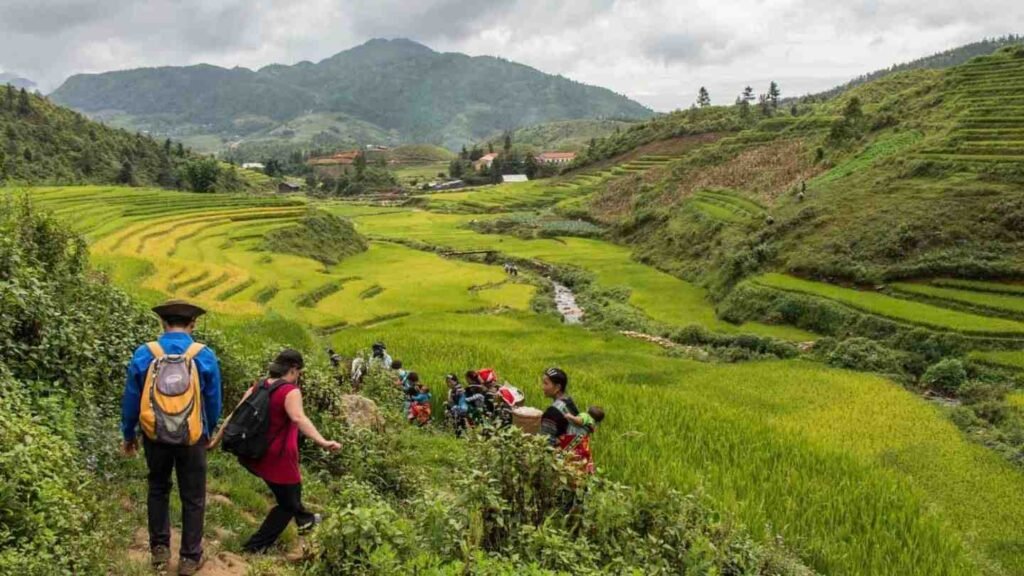
Image Source: Sapa Nomad
Summer (May–August)
- Hot, humid, and rainy
- Sudden storms may affect Ha Long Bay cruises
Best for: cultural travel, mountain trekking, rice terraces, scenic photography
Central Vietnam (Hue, Da Nang, Hoi An, Nha Trang)
The central region has one of the most predictable weather patterns.
Dry Season (February–August)
- Great beach weather
- Warm ocean temperatures
- Perfect for Hoi An lantern nights and Da Nang resorts
Wet Season (September–November)
- Heavy rainfall common
- Flooding possible in Hue and Hoi An
- Typhoon activity occasionally disrupts travel
Coastal Sunshine (March–July)
- Best beach window for Da Nang, Hoi An, and Nha Trang
- Clear water and calm seas
Best for: beaches, water sports, UNESCO heritage sites, lantern festivals
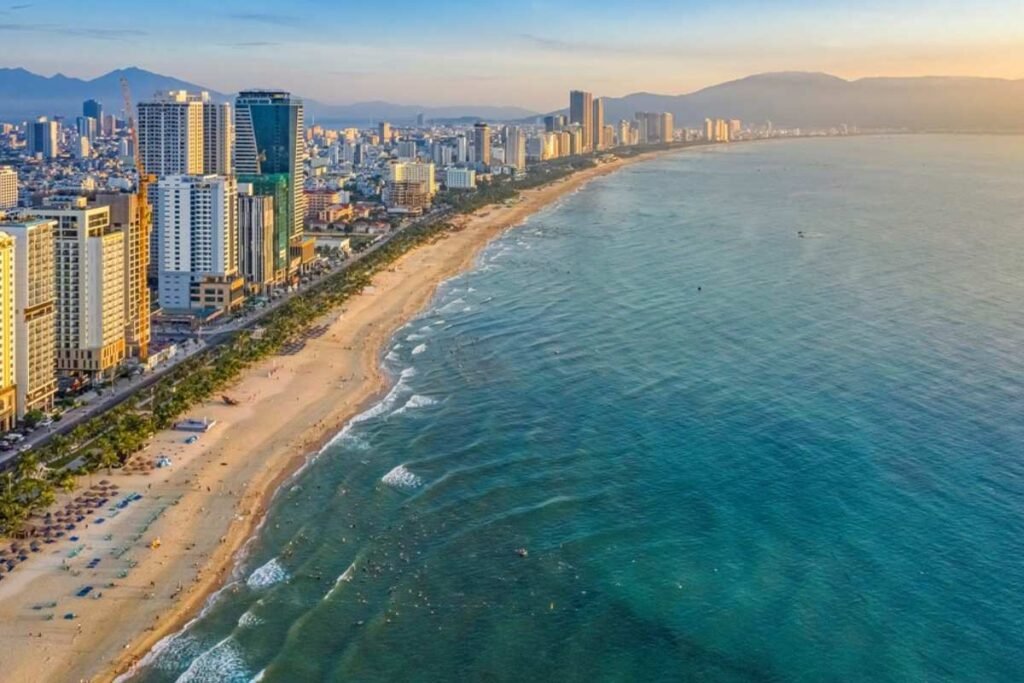
Image source: World Mate Travel
Southern Vietnam (Ho Chi Minh City, Mekong Delta, Phu Quoc)
The south enjoys warm tropical temperatures year-round.
Dry Season (December–April)
- Hot, sunny, and ideal for sightseeing
- Great for Mekong Delta floating markets
- Peak season for Phu Quoc’s calm beaches
Rainy Season (May–November)
- Short afternoon rains
- Still plenty of sunshine most mornings
- Great deals on hotels and flights
Best for: city life, island vacations, food tours, river cruising
Best Months for Specific Activities
Travelers often plan Vietnam trips around activities. Here’s what to choose based on your interests:
Sapa Treks & Mountain Routes
Best: September–November
- Rice terraces turn golden before harvest
- Dry, cool weather ideal for hiking
Ha Long Bay Cruises
Best: March–May or September–November
- Clear skies and calm seas
- Better chance of uninterrupted cruising
Beach Vacations
- Da Nang / Hoi An / Nha Trang: March–July
- Phu Quoc: November–March
- Mui Ne: November–April
City Exploration (Hanoi or Ho Chi Minh City)
Best: December–April
- Drier weather and comfortable temperatures
Key Considerations When Planning Your Dates
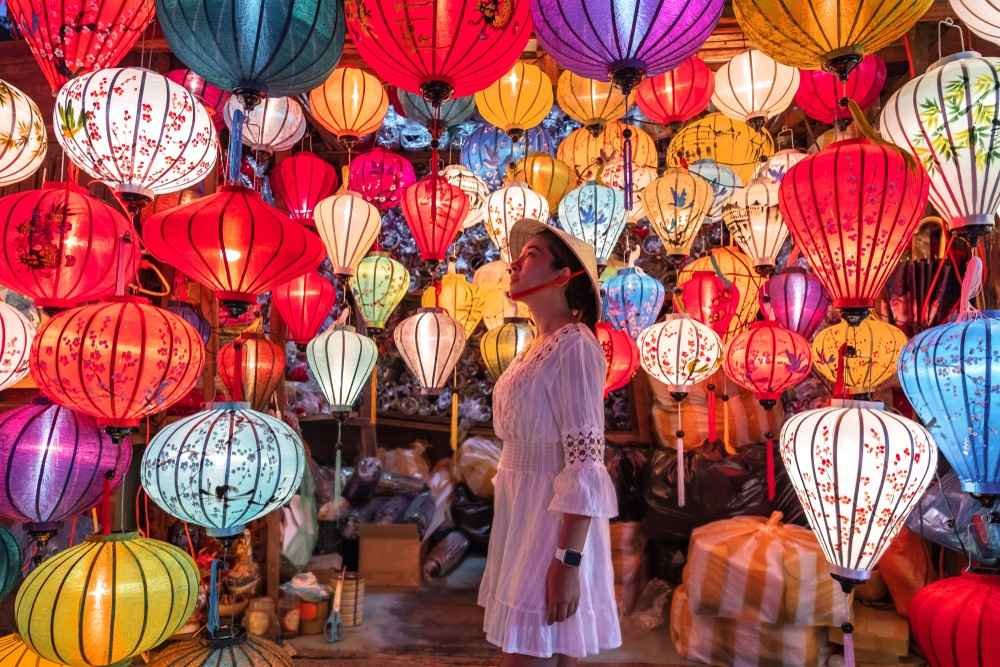
Image source: Travalot
Vietnam Festivals to Keep in Mind
Tet (Lunar New Year) – January or February
- Biggest holiday of the year
- Expect full hotels, high prices, closed shops, and busy airports
- Cultural celebrations are incredible but logistics can be challenging
Mid-Autumn Festival – September or October
- Lantern parades, mooncakes, and family celebrations
- Wonderful time for travelers seeking cultural immersion
Budget Tips: When Is Vietnam Cheapest to Visit?
If you prioritize affordability:
- May–October is the low season nationwide
- Expect lower rates on hotels and domestic flights
- Rain is common but manageable, especially in the south
- Fewer crowds at popular attractions
For the best balance of weather and cost, choose late April–May or late September–October.
Frequently Asked Questions
1. What is the absolute best month to visit Vietnam?
If you want the most balanced weather across all regions, March is often considered the best month — warm, dry, and comfortable nationwide.
2. Is there a rainy season in Vietnam?
Yes, but it varies by region:
- North: May–August is rainy and humid
- Central: September–November is storm season
- South: May–November has predictable afternoon showers
3. Is Vietnam good to visit in the summer (June–August)?
Yes, especially for:
- Central coast beaches (Da Nang, Nha Trang)
- Northern mountain routes, though it will be warm
- Budget travelers, because summer has fewer international tourists
Do expect higher humidity and occasional downpours.
4. Should I avoid traveling during Tet?
Not necessarily — it’s beautiful and culturally rich.
However:
- Flights sell out quickly
- Hotels may raise prices
- Some restaurants and shops close
If you go, book everything well in advance.
Conclusion: Choosing the Best Time to Travel to Vietnam
Ultimately, the best time to travel to Vietnam depends on your itinerary. For most travelers, March–April and September–November offer the best overall experience: mild temperatures, lower rainfall, and excellent conditions for everything from beaches to trekking. With thoughtful planning based on regional climate, you can enjoy Vietnam year-round — whether you’re cruising Ha Long Bay, relaxing on Phu Quoc, or exploring lantern-lit streets in Hoi An.