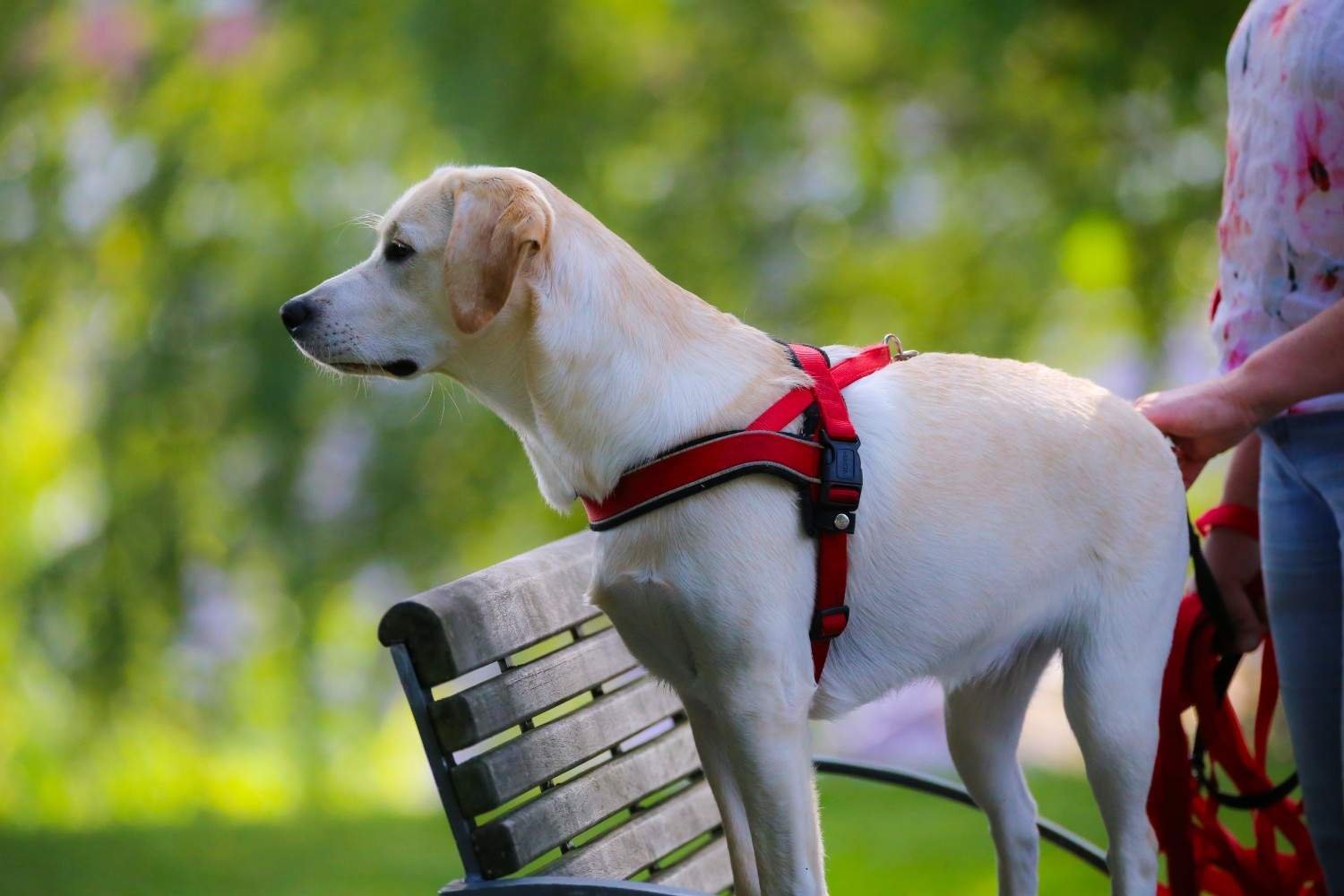
If you’ve ever wondered what is a tie out for dogs, the simplest answer is that it’s a controlled outdoor tethering system designed to keep a dog safely within a specific radius. But as a canine behavior and welfare professional, I want to go deeper than the basic definition, because how tie outs are used matters just as much as what they are.
Tie outs can be useful in certain situations, but they also come with important safety considerations and limitations that every responsible dog owner needs to understand. In this guide, I’ll explain what tie outs are, how they work, when they’re appropriate, and how to use them safely.
What Exactly Is a Tie Out for Dogs?
A tie out for dogs is a restraint system used outdoors to keep a dog confined to a specific area when fencing isn’t available. The system connects a dog’s harness or collar to an anchored tether, which may be attached to:
- a ground stake
- a fixed post
- an overhead runner/cable
- a secure structure
Instead of running freely, the dog has a defined perimeter of movement.
The Common Types of Tie Out Systems
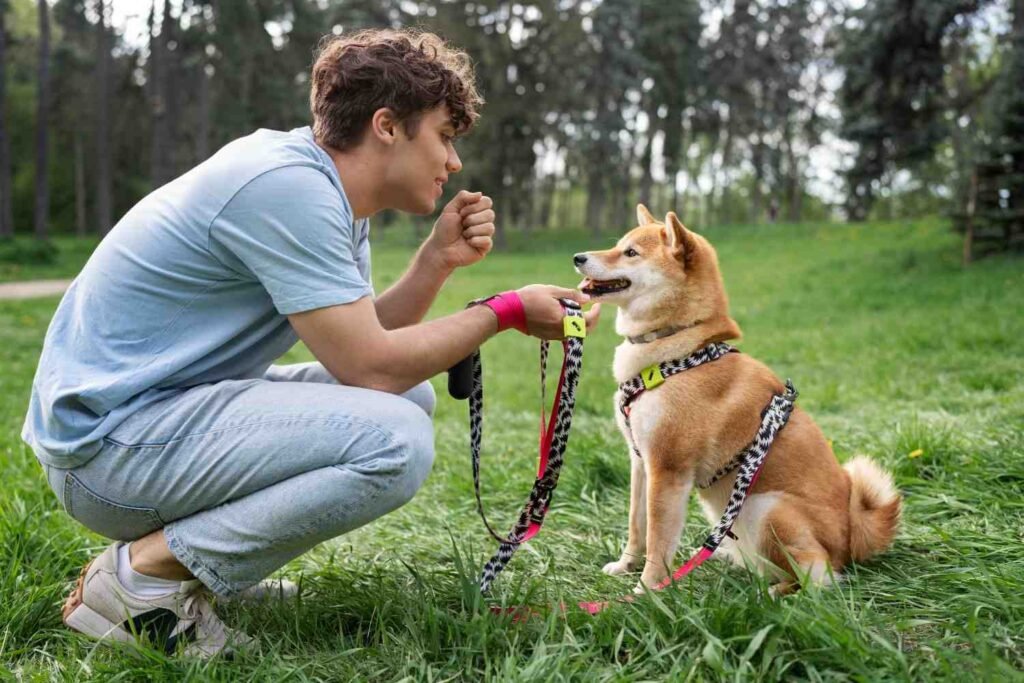
Ground Stake Tie Out
This uses a metal stake, often spiral-shaped, anchored into the ground.
- Best for short-term supervised restraint
- Good for small–medium dogs
- Higher risk of tangling
Overhead Trolley System
A long cable is suspended between two secure mounting points, with a sliding lead attached.
- Dogs can move along the line more freely
- Much lower risk of cable tangling
- Can cover a wider outdoor range
Fixed-Anchor Tie Out (Post or Wall Mount)
- Used in yards or patios
- Strong and secure anchor point
- Movement radius depends on leash length
Tie Outs vs. Alternative Containment Methods
Here’s a helpful comparison:
| Restraint Method | Mobility | Safety Level | Ideal Usage | Notes |
| Ground stake tie out | Moderate | Medium | Short durations | Can tangle easily |
| Overhead trolley | High | High | Longer supervised outdoor time | Better motion range |
| Fence (physical) | Very high | Very high | Daily outdoor time | Safest containment |
| Portable playpen | Medium | High | Camping, travel | Good for small dogs |
| Wireless/invisible fence | Very high | Medium | Training + containment | Requires collar correction |
| Off-leash yard time | Unlimited | Varies | Only with recall-trained dogs | Requires supervision |
Safety Best Practices for Using a Tie Out
As a dog welfare specialist, I cannot emphasize enough: tie outs are not substitutes for real outdoor activity or exercise.
Follow these core safety rules:
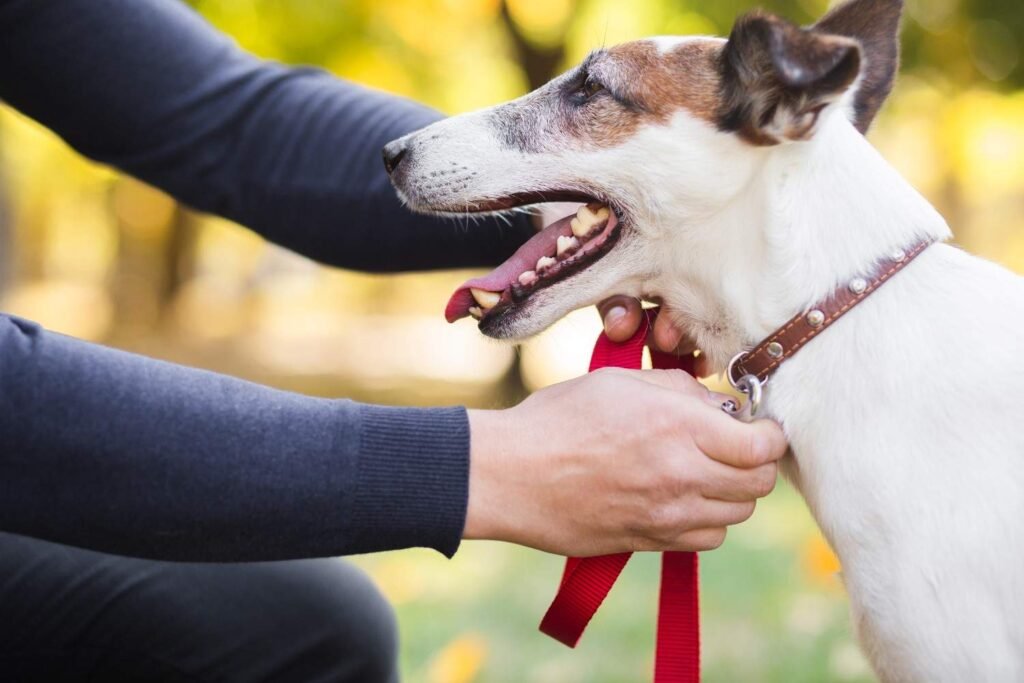
Use a Harness, Not a Collar
A dog that lunges while tied to a collar risks:
- neck strain
- tracheal injury
- choking
- cervical spinal stress
A padded, well-fit harness is safer.
Never Leave a Dog Unattended
Tie outs are not for unsupervised confinement.
Potential risks include:
- tangling
- overheating
- stress
- prey animal attacks
- theft
- collar slipping
- choking
Provide Comfort Essentials
Your dog should always have:
- fresh water
- shade
- soft ground (not hot concrete)
- weather protection
- no access to toxic plants or objects
Choose the Right Cable Strength
Tie-out cables are weight-rated.
Example:
- Small dog: 15–25 lb rating
- Medium dog: 25–60 lb
- Large dog: 60–125 lb
- Strong breeds: higher-strength coated steel cables
If in doubt, always go higher.
How Long Can a Dog Be on a Tie Out?
Officially recommended: short durations only
Think: bathroom break or a little outdoor air—not hours.
Prolonged tethering can cause:
- frustration
- anxiety
- territorial aggression
- excessive barking
- chewing on the lead
- pacing
Many states and regions actually have laws restricting prolonged tethering.
Are Tie Outs Good or Bad for Dogs?
Tie outs are neither inherently harmful nor inherently ideal, they are a tool.
The benefits:
- useful when fencing is unavailable
- prevents running into traffic
- allows dog outside time while supervised
- portable option for camping or travel
The drawbacks:
- can feel restricting
- risk of tangling
- possible physical injury
- can cause stress if used incorrectly
- unsafe for long-term confinement
My professional stance: Tie outs can be safe when used briefly and responsibly, but never as a primary outdoor confinement method.
Signs That Tie Out Use Is Causing Stress
Watch for:
- whining
- barking
- refusal to sit or settle
- frantic circling
- trying to chew the cable
- panic jumping or lunging
- tail between legs
- excessive panting
If you see these behaviors, your dog may feel unsafe or anxious.
Better Alternatives to Tie Outs
Based on dog psychology and physical safety, these methods are healthier for long-term use:
- fenced yards
- portable dog fencing
- dog runs or enclosures
- supervised off-leash time
- structured walks
- doggy-daycare or play groups
The best environment for a dog is one where they can explore with freedom and mental stimulation—not feel physically restrained.
Frequently Asked Questions
1. What type of tie out is safest for dogs?
The overhead trolley system is generally safest because it reduces tangling and gives a dog more controlled freedom of movement.
2. Can a dog sleep outside on a tie out?
No. Dogs should never be tied out overnight or left outdoors unsupervised. This is extremely unsafe.
3. Should a tie out be used with a collar or harness?
Always a harness. Collars can cause choking and neck injury if the dog pulls suddenly.
4. Are tie outs legal?
In many places, short-term tie outs are allowed, but prolonged tethering is restricted or illegal. Always check your local animal welfare regulations.
5. How long is too long for a dog to be tied up?
Generally, longer than 30–45 minutes is not recommended unless the dog is constantly supervised and calm. Even then, extended restraint is discouraged.
Final Thoughts: Use Tie Outs Carefully and Compassionately
So, what is a tie out for dogs? It’s a method of temporarily restricting a dog’s movement outdoors, but it must be used thoughtfully, safely, and sparingly. Tie outs can help prevent escapes or accidents, but they are not replacements for secure fencing, regular exercise, and human companionship.
Your dog thrives on physical freedom, social interaction, and emotional security. When used with those needs in mind, tie outs can be part of a responsible outdoor routine—but never the whole picture.