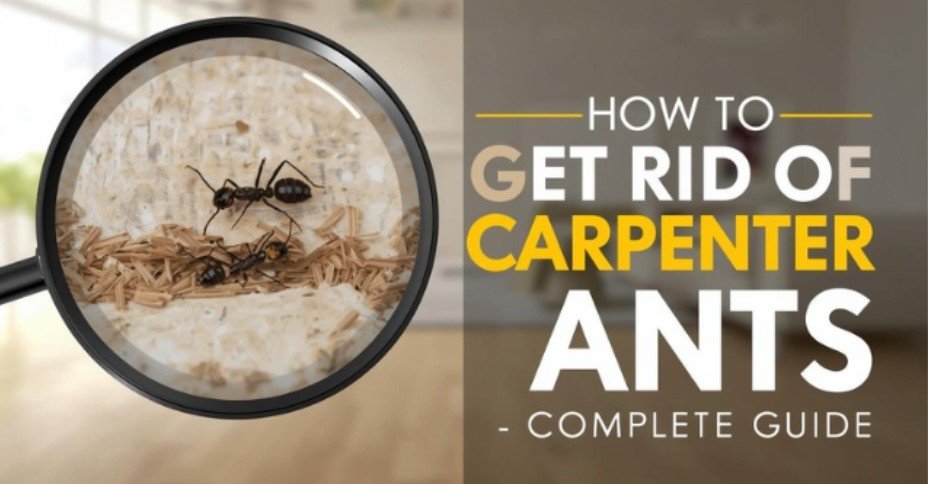
I remember the day I first learned how to get rid of carpenter ants the hard way. I walked into my kitchen one night for a glass of water, turned on the light, and spotted a slow-moving ant the size of my anxiety.
At first, I brushed it off—one ant doesn’t scream infestation. But then I saw another… and another… and then a tiny pile of sawdust-like shavings near the baseboard. That’s when I knew something lived behind my walls, and it wasn’t paying rent.
From that moment, I treated the situation like a mini home rescue mission. If you’ve ever had that sinking feeling of “Oh no… do they live inside the walls?”, then stick with me, because I’ll walk you through exactly what I did, what worked, and how you can finally reclaim your home too.
What Signs Help Me Confirm a Carpenter Ant Problem?
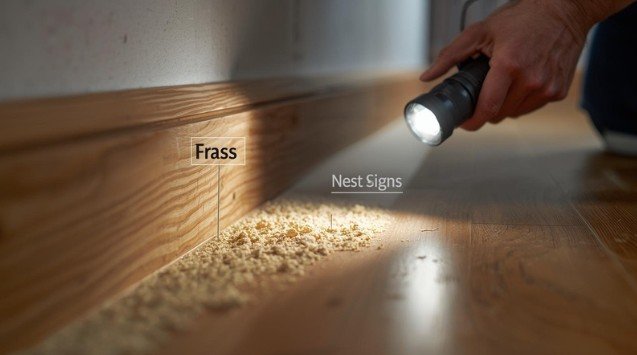
I always start my inspection with one goal: find where they set up their little ant Airbnb. Carpenter ants love damp or decaying wood, so I check the places I usually ignore—basements, crawl spaces, attic corners, under sinks, around windows, and along walls with plumbing. These spots feel like luxury resorts for carpenter ants, especially if moisture builds up.
The most obvious clue comes from their “frass”—tiny, fine, sawdust-like shavings mixed with pieces of dead ants and debris. I often find frass near baseboards, windows, or small holes in wood.
When I see that, I know I’m close to their hideout. At night, I sometimes hear a faint rustling sound if a nest sits deep inside a wall. I never expected to use my ears for bug-hunting, but this trick works surprisingly well.
Following ant trails gives me even better insight. Carpenter ants love late-night adventures, so I observe their movements between sunset and midnight. I shine a flashlight with a red filter because they don’t detect red light.
When I spot a trail, I watch where they march. Their paths often lead me right toward the nest or at least the general direction.
Where Do Carpenter Ants Usually Build Their Nests in My Home?
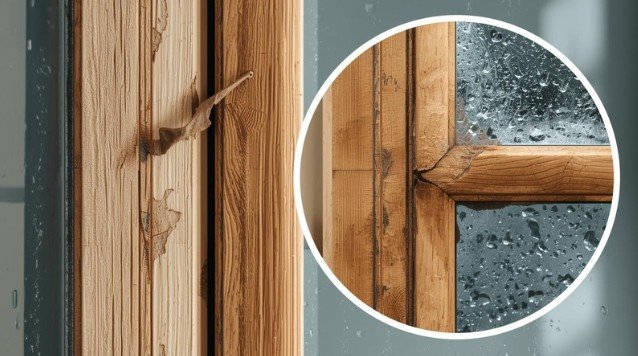
Carpenter ants don’t just pick random spots—they want moisture, darkness, and softened wood. So I always check places where water sneaks in. A tiny slow leak under the sink? Perfect nest spot. A poorly ventilated attic with humidity pockets? Another hot zone.
I learned that carpenter ants create both main nests and satellite nests. The main nest almost always sits in damp wood, while satellite nests might sit somewhere dry but convenient.
This means I can’t assume the first nest I find is the only one. I keep searching until I feel confident I understand their little real-estate empire.
Basements, wall voids, door frames, crawl spaces, and the wood around bathtubs or showers all deserve close inspection. If I suspect activity but don’t see frass, I still knock gently on the wood. If it sounds hollow, I pay extra attention. Sometimes, I even water-damage-test by checking for soft or bubbled paint, which often signals problems hiding beneath the surface.
Which Methods Actually Work When Figuring Out How to Get Rid of Carpenter Ants?
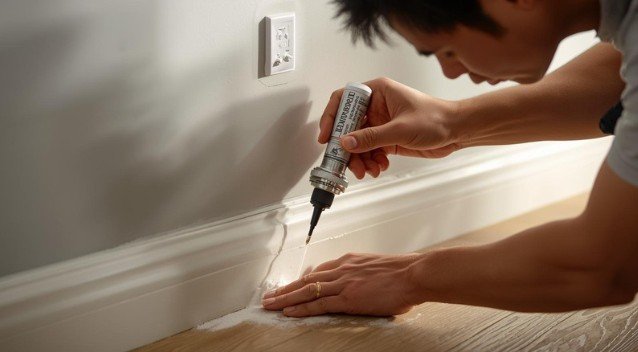
Once I confirm a nest (or at least narrow down the probable location), I choose my treatment method. I always focus on two main approaches: direct nest treatments and baiting.
Direct treatments work best when I can access the nest. I inject boric acid dust, diatomaceous earth, or an ant-control aerosol into wall voids or crevices.
I sometimes drill a tiny hole near the suspected colony and puff insecticidal dust inside. When the nest sits outdoors, I pour boiling water directly into the entrance. Yes, it feels dramatic, but it works.
For harder-to-find nests, I switch to baiting. I place sweet or protein-based bait—depending on what my ants crave—along their trails.
Worker ants carry the bait back to the colony, feed the queen, and unintentionally help me eliminate the entire colony from the inside out. Baiting requires patience, but it always delivers the most complete elimination.
The key? I never use sprays while baiting. Sprays kill the worker ants before they carry the bait home, which defeats the entire purpose.
How-To: My Step-by-Step Routine for How to Get Rid of Carpenter Ants Fast
When I want fast results, I follow this exact plan because it works every time.
Step 1: I track their trails.
I watch where they move at night with a red-filter flashlight. The clearer the trail, the easier the battle.
Step 2: I look for frass piles.
These tiny shavings guide me to their nesting zone—even if it hides behind the wall.
Step 3: I listen for activity.
If I suspect a nest but don’t see signs, I press my ear—or a stethoscope—against the wall and listen for rustling.
Step 4: I treat the nest directly when possible.
I inject boric acid dust, diatomaceous earth, or a labeled insecticidal aerosol into crevices or drilled holes.
Step 5: I use bait when I can’t find the nest.
I place sweet or protein baits along trails and allow workers to carry poison back to their queen.
Step 6: I remove damaged wood.
I replace rotting or moisture-damaged boards because they attract ants like magnets.
Step 7: I eliminate moisture sources.
I fix leaks, improve ventilation, and keep crawl spaces dry to prevent future issues.
FAQs About How to Get Rid of Carpenter Ants
Why do carpenter ants target my house in the first place?
Carpenter ants love moisture, so any leaks, condensation, or rotting wood make your home irresistible. They don’t eat wood—they excavate it to build tunnels. If you notice them indoors, it usually means something in the structure appeals to them. Fixing moisture problems removes the root cause and keeps them from returning.
Will bait always work for carpenter ants?
Bait works incredibly well, but it takes time. Carpenter ants prefer different foods depending on what the colony needs—sometimes sweets, sometimes protein. I rotate bait types to see what they respond to. Once they accept the bait, I allow them to travel freely so they deliver it to the queen.
How do I know if the colony is gone?
I check ant activity at night and watch for continued frass piles. When trails disappear and frass stops accumulating, I know the colony no longer thrives. Sometimes it takes a couple of weeks, especially with baiting, but the drop in activity becomes very noticeable.
When should I call a professional?
If I hear activity inside walls, see large swarms of winged ants indoors, or can’t locate the nest after several attempts, I call a professional. Pest control experts have access to stronger products like Termidor and advanced tools to track hidden nests.
The Final Sweep: Goodbye Ants, Hello Peace
I treat carpenter ant control like home maintenance and self-care combined. Once I eliminate moisture, replace rotting wood, seal gaps, and keep bait or dust ready for future visitors, I feel like I own my home again.
If you stay consistent, this routine works—and soon, your home feels quieter, sturdier, and blissfully ant-free.
My personal tip? Always check under sinks and behind appliances once a month. The smallest leak invites the biggest problems.