
There is never a convenient time for your car to break down. Whether you are rushing to a morning meeting, heading out for a weekend getaway, or just running errands, a sudden breakdown can ruin your day and stress your wallet.
While some mechanical failures happen without warning, the vast majority of roadside emergencies are entirely preventable.
By staying proactive and listening to your vehicle, you can avoid the headache of waiting for a tow truck. Here is how to keep your car running smoothly and prevent unexpected roadside problems.
1. Monitor Your Fluids Regularly
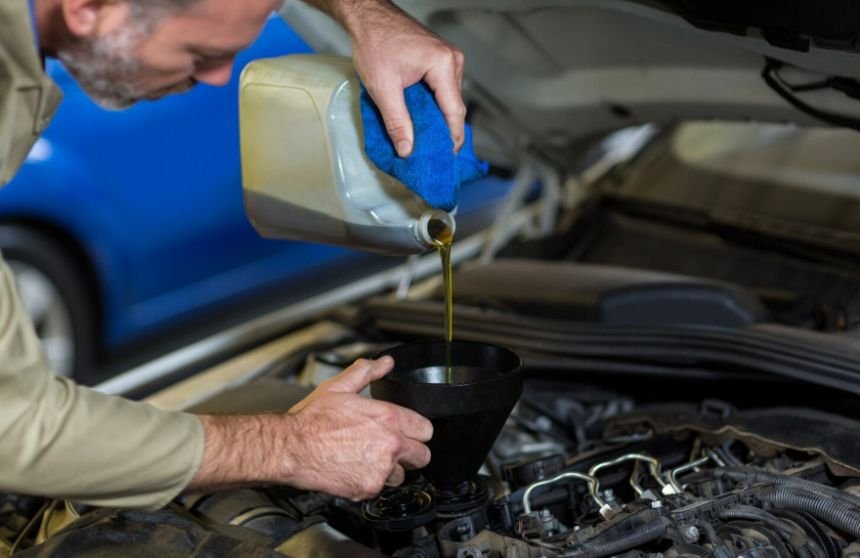
Fluids are the lifeblood of your vehicle. Running low on essential liquids is one of the fastest ways to strand yourself on the shoulder of the highway.
Make it a habit to check your engine oil, coolant, brake fluid, and windshield washer fluid at least once a month. Coolant is especially critical; if your engine runs out, it can overheat within minutes, leading to catastrophic engine failure. Look for leaks under your car and never ignore a sudden drop in fluid levels.
2. Listen to Your Transmission
Your transmission is responsible for transferring power from the engine to your wheels. When it starts to struggle, your car will usually give you a few warning signs before it completely quits.
If you notice your car hesitating when shifting gears, slipping out of gear, or making strange grinding noises, it is time to seek professional help. Ignoring these red flags can leave you completely immobilized.
For drivers in Utah, securing reliable auto transmission repair in Salt Lake City at the first sign of trouble can mean the difference between a quick fix and an incredibly expensive breakdown.
3. Keep an Eye on Tire Pressure and Tread
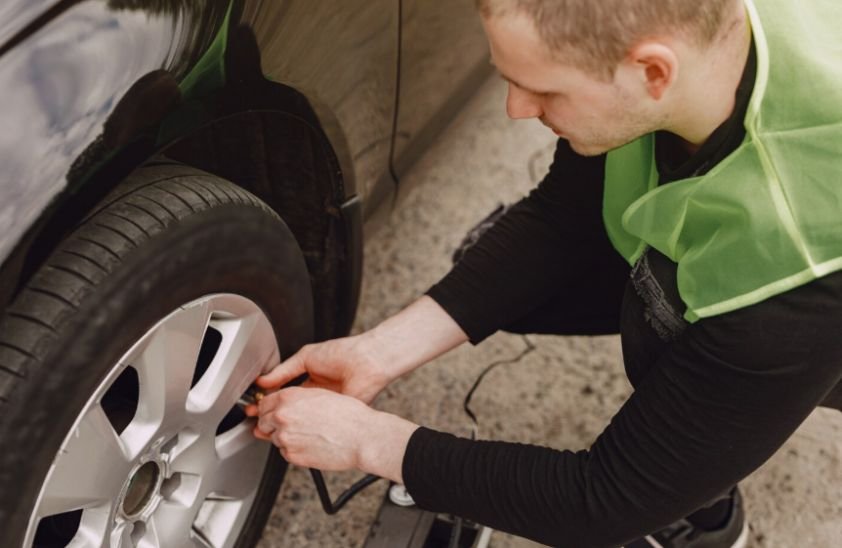
Tire issues are among the most common reasons drivers get stranded. A sudden blowout at high speeds is not just inconvenient—it is incredibly dangerous.
Check your tire pressure monthly using a digital gauge, as under-inflated tires generate excess heat and are prone to blowing out. Don’t rely solely on your dashboard’s warning light, as it often only triggers when pressure is dangerously low.
Additionally, inspect your tread depth using the penny test and look for uneven wear, which could signal an alignment issue.
4. Test and Maintain Your Battery
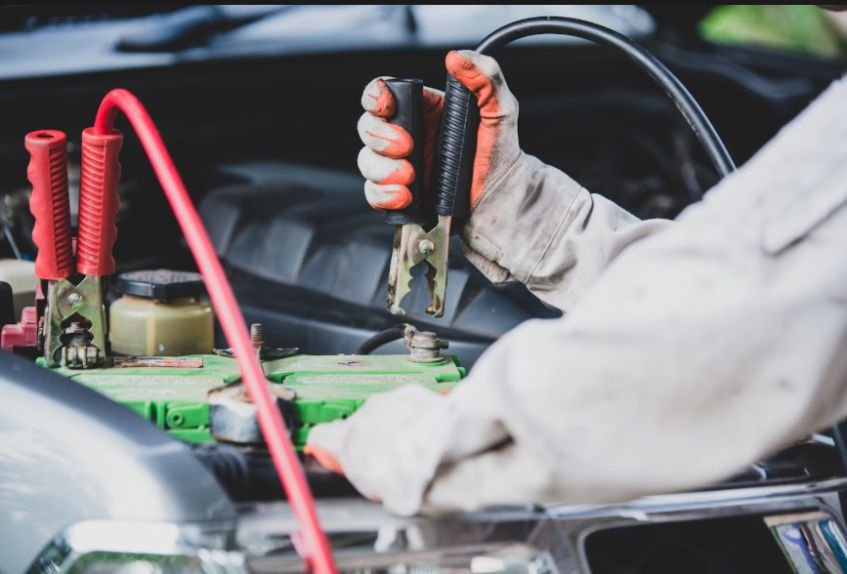
A dead battery is a silent driver-killer. Most car batteries have a lifespan of three to five years, but extreme summer heat and freezing winter temperatures can shorten that window significantly.
If you notice your headlights dimming when the engine idles, or if your car takes an extra second or two to crank in the morning, your battery is likely on its last legs.
You can get your battery tested for free at most auto parts stores. While you are under the hood, check the terminals for white, powdery corrosion and clean it off with a wire brush to ensure a strong connection.
5. Pay Attention to Warning Lights
Modern vehicles are equipped with sophisticated onboard diagnostics designed to catch problems before they turn into emergencies. Unfortunately, many drivers treat the “Check Engine” light like optional reading.
When a warning light illuminates on your dashboard, your car is trying to tell you something. Even if the vehicle feels like it is driving normally, a sensor may have detected a misfire, a failing alternator, or a drop in oil pressure.
Getting a diagnostic scan immediately can save you from a major breakdown a few miles down the road.
Ignoring serious vehicle problems can sometimes lead to accidents or damage that is too expensive to repair. If a car reaches that point, understanding what to do with a totaled vehicle can help you make smarter decisions about insurance, repairs, replacement, and next steps.
6. Pack a Smart Emergency Kit
Even the most meticulously maintained vehicles can occasionally suffer a random mishap, like a stray nail in a tire. Being prepared changes a breakdown from an absolute crisis into a minor inconvenience.
Always carry a well-stocked roadside kit in your trunk. It should include jumper cables or a portable battery jumper, a properly inflated spare tire, a jack, a lug wrench, a flashlight with fresh batteries, reflective triangles, and a basic toolset.
Knowing how to use these tools before an emergency happens is just as important as having them.
Roadside preparation is not only about tools and spare parts; it also includes personal safety before and during travel. If you ever receive an unknown tracker alert or suspect a device has been placed in your vehicle, knowing how to find an AirTag in my car can help you act quickly and protect your privacy on the road.
Conclusion
Preventing roadside drama does not require you to be a professional mechanic. It simply requires consistency, attention to detail, and a willingness to address small issues before they snowball into major failures.
By keeping up with your fluids, listening to your transmission, and respecting your dashboard warning lights, you can drive with peace of mind. Taking care of your car today ensures it will take care of you on the miles ahead.