Owning a rental property is about more than earning consistent monthly income. Long-term success depends on preserving and increasing the property’s value through thoughtful decisions and proactive management.
By focusing on maintenance, strategic upgrades, tenant satisfaction, and financial planning, property owners can strengthen their investment while attracting reliable tenants and improving future returns.
Prioritize Preventive Maintenance
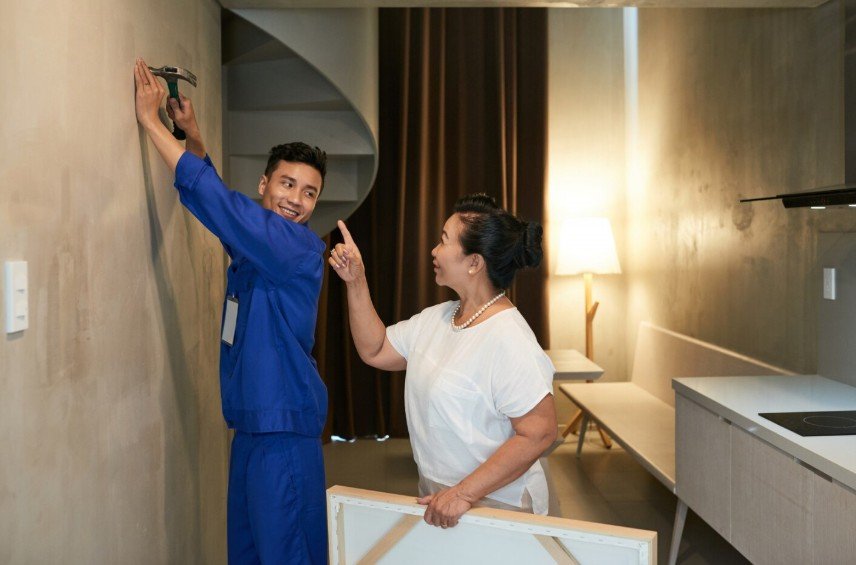
One of the most effective ways to increase the long-term value of a rental property is by staying ahead of maintenance issues. Small problems that are ignored often become expensive repairs that negatively impact both the property’s condition and its market value.
Creating a routine maintenance schedule helps identify potential concerns before they escalate into major expenses.
Regular inspections allow property owners to monitor roofing, plumbing, electrical systems, heating and cooling equipment, and exterior features. Addressing minor leaks, cracks, or wear promptly extends the lifespan of these systems while maintaining the property’s appeal.
Preventive maintenance also creates a better living experience for tenants. Well-maintained homes encourage longer lease terms, reduce turnover, and help establish a positive reputation for the property. When tenants feel confident that maintenance requests will be addressed quickly, they are more likely to care for the home responsibly.
Keep Exterior Spaces Attractive
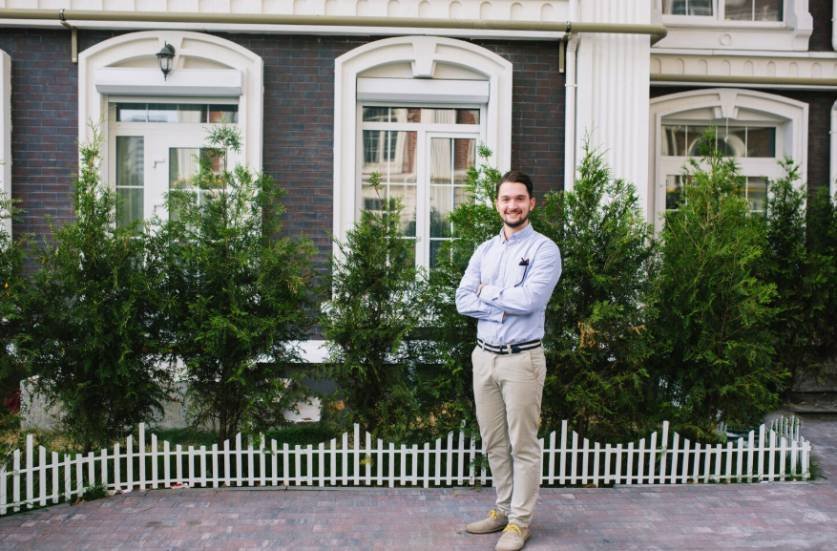
The exterior creates the first impression for prospective tenants and future buyers. Maintaining landscaping, repainting faded surfaces, repairing walkways, and keeping outdoor lighting functional contribute significantly to curb appeal.
Even simple improvements such as trimming shrubs, planting low-maintenance greenery, or updating exterior fixtures can make the property appear more inviting while protecting its long-term market value.
Invest in High-Value Upgrades
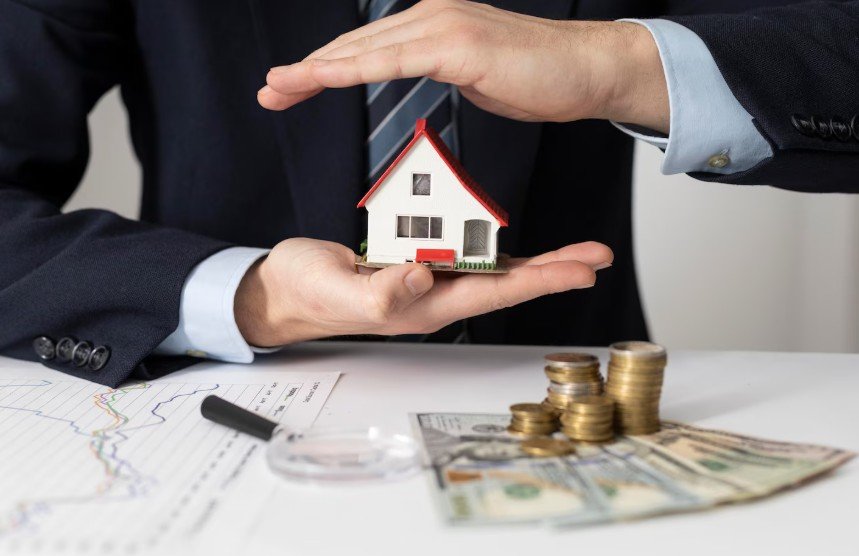
Not every renovation delivers the same return on investment. Property owners should prioritize upgrades that improve functionality, durability, and tenant appeal instead of focusing solely on luxury features.
Kitchen and bathroom improvements often provide lasting value. Replacing worn countertops, updating cabinetry hardware, installing energy-efficient fixtures, or modernizing lighting can refresh these spaces without requiring complete renovations.
Durable flooring materials are another worthwhile investment because they withstand years of tenant use while reducing future replacement costs.
Energy efficiency has become increasingly important for renters. Improved insulation, efficient windows, modern appliances, and water-saving fixtures help lower utility expenses while making the property more attractive in competitive rental markets.
Smart improvements should balance immediate costs with long-term savings. Choosing quality materials may require a larger upfront investment, but they often reduce maintenance expenses and replacement frequency over time.
Build Strong Tenant Relationships
Reliable tenants contribute significantly to preserving a property’s condition and maintaining consistent rental income. Careful tenant screening helps identify individuals with stable financial histories, positive rental references, and a record of responsible occupancy.
Once tenants move in, maintaining clear communication encourages mutual respect and cooperation. Responding promptly to maintenance requests, explaining lease expectations clearly, and conducting regular property inspections help prevent misunderstandings while protecting the property’s condition.
Working with professionals experienced in residential property management in West Jordan can also help streamline tenant communication, lease administration, maintenance coordination, and regulatory compliance.
Effective management practices contribute to stronger tenant retention while supporting the property’s long-term financial performance.
Encourage Long-Term Tenancies
Frequent tenant turnover increases expenses through vacancy periods, cleaning, repairs, and marketing costs. Providing excellent service, maintaining the property well, and offering fair lease renewal terms encourage tenants to stay longer.
Long-term tenants often become more invested in caring for the property, resulting in lower maintenance costs and greater income stability for property owners.
Protect the Property With Financial Planning
Successful rental ownership requires planning beyond monthly rent collection. Setting aside reserve funds for maintenance, emergency repairs, and future improvements helps prevent financial strain when unexpected expenses arise.
Property owners should regularly review operating expenses and evaluate opportunities to improve efficiency without sacrificing quality.
Monitoring insurance coverage, reviewing maintenance contracts, and budgeting for capital improvements all contribute to protecting the property’s long-term value.
Keeping detailed financial records also supports better investment decisions. Tracking repair history, renovation costs, rental income, and occupancy rates provides valuable insight into the property’s overall performance and helps identify areas for future improvement.
Plan Improvements Strategically
Rather than completing multiple major projects at once, create a long-term improvement schedule. Prioritize upgrades based on urgency, expected return on investment, and tenant demand.
Strategic planning allows owners to spread costs over time while continuously enhancing the property’s condition and market competitiveness.
Stay Informed About Market Trends
Rental markets evolve over time, making it important for property owners to remain aware of changing tenant preferences and neighborhood developments. Monitoring local housing demand, rental pricing, infrastructure improvements, and demographic trends helps owners make informed investment decisions.
Understanding market conditions also supports better renovation planning. Improvements should align with neighborhood expectations to maximize value without overinvesting beyond what the market supports.
Regularly reviewing comparable rental properties provides insight into desirable amenities, pricing strategies, and features that attract qualified tenants. Remaining competitive helps maintain occupancy while supporting steady appreciation over the long term.
Property owners who adapt to changing market conditions are better positioned to protect their investments and capitalize on future growth opportunities.
Conclusion
Increasing the long-term value of your rental property requires consistent effort, smart financial decisions, and a commitment to maintaining quality over time.
Preventive maintenance, strategic upgrades, strong tenant relationships, and ongoing market awareness all work together to protect your investment.
By taking a proactive approach, property owners can improve profitability, reduce costly surprises, and build lasting value for years to come.