
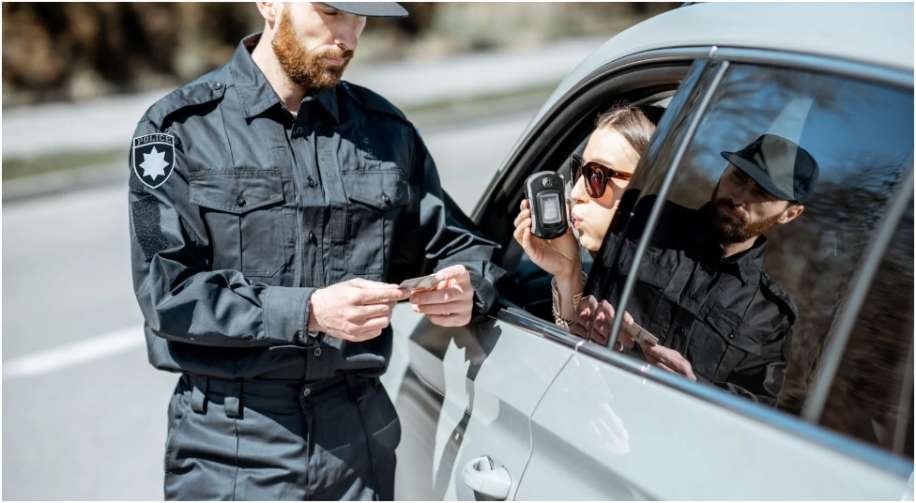
Roadside sobriety tests are commonly used during traffic stops to help officers assess whether a driver may be impaired. These evaluations focus on balance, coordination, and the ability to follow instructions under pressure. Understanding how they work can help drivers better recognize what is being observed and why these procedures are an important part of road safety enforcement today.
What Roadside Sobriety Tests Are Designed To Measure
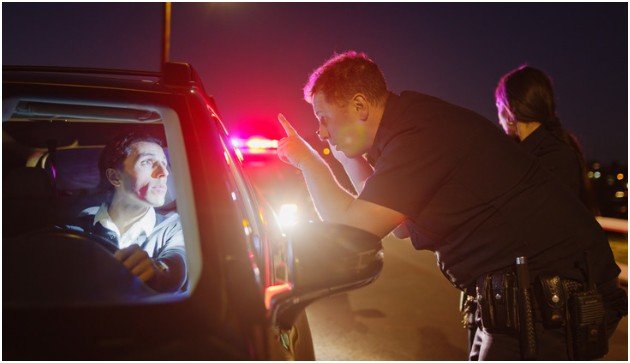
Roadside sobriety tests are structured observational tools used during traffic stops to help identify possible signs of impairment. Rather than serving as medical evaluations, they function as behavioral assessments that highlight how a person responds to instructions, maintains physical control, and processes simple tasks under real-world conditions.
Officers typically observe three core areas during these evaluations: physical coordination, mental processing, and divided attention. Physical coordination refers to how well a person can control movement, maintain balance, and perform controlled actions.
Mental processing focuses on how clearly instructions are understood and followed. Divided attention evaluates the ability to handle multiple instructions or actions at once, which is a key skill required for safe driving in general traffic environments.
These combined observations help form a broader picture of a driver’s condition at the time of the stop. While not definitive on their own, they contribute to an overall assessment that may include other situational factors.
Common Field Sobriety Tasks Explained
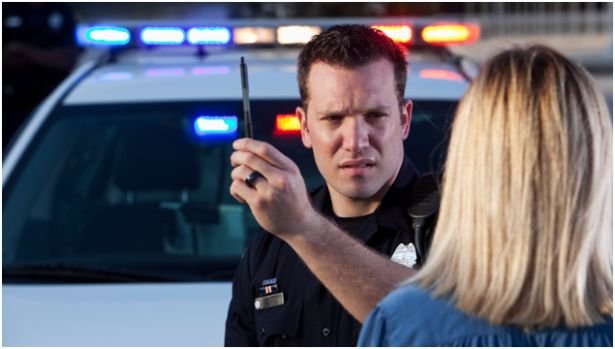
Field sobriety evaluations often include a set of structured tasks designed to observe balance, coordination, and responsiveness. These tasks are standardized in many regions to provide consistency in how observations are made during roadside interactions.
Eye Movement Observation Task
One commonly used method involves observing how the eyes track a moving object. Officers look for smooth tracking and note any irregular movements. The purpose is to evaluate whether the nervous system is responding in a typical and controlled manner under simple visual tasks.
Walking Coordination Task
Another frequently used exercise involves walking in a straight line, turning in a specific way, and returning along the same path. This task assesses balance, heel-to-toe coordination, and the ability to follow sequential instructions. Mistakes such as stepping off the line or miscounting steps may be recorded as part of the overall observation process.
Balance Maintenance Task
A static balance test may also be used, where an individual is asked to stand on one leg while maintaining posture for a short period. Officers observe body sway, timing accuracy, and overall stability. Even small disruptions in balance may be noted, especially when combined with other indicators.
These tasks are designed to be simple, but they require focus, coordination, and calm execution under pressure.
Factors That Influence Performance During Testing
Performance during roadside sobriety evaluations can be influenced by a wide range of external and personal factors. Environmental conditions such as uneven ground, poor lighting, weather changes, or passing traffic can all affect a person’s ability to perform physical tasks accurately.
Physical health conditions may also play a significant role. Issues involving joints, muscles, vision, or inner ear balance can create challenges that resemble impairment-related indicators. Even temporary conditions like fatigue or dehydration can impact coordination and concentration during a stop.
Emotional stress is another important factor and to prevent inconvenience for future, learn when its time to prioritize brain health. Traffic stops can be tense experiences, and nervousness alone may affect speech patterns, movement stability, and the ability to follow instructions precisely. These influences highlight why results are often interpreted as part of a broader observation rather than a single deciding factor.
What Happens During a Traffic Stop Evaluation
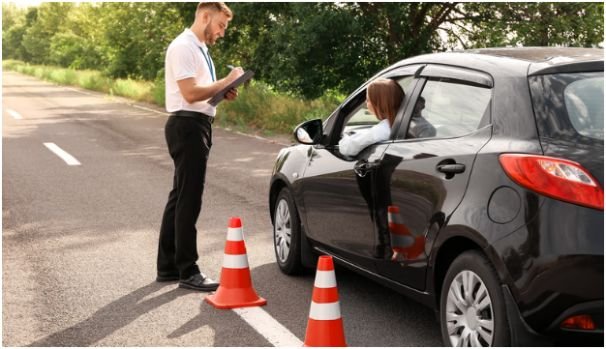
A roadside sobriety evaluation typically begins when an officer notices driving behavior that prompts further investigation to prevent unexpected roadside problems. Once the vehicle is stopped, initial interaction includes basic questioning and observation of physical and behavioral cues. These early impressions often guide whether further testing is requested.
If a sobriety evaluation is conducted, the officer will typically provide step-by-step instructions for each task. The individual’s performance is observed closely, with attention given to balance, responsiveness, and adherence to directions. The results are then considered alongside other observations from the stop, such as driving patterns and general demeanor.
In some cases, additional procedures may follow depending on the overall assessment. These may include further testing or administrative actions based on local regulations. The roadside evaluation itself is generally one part of a larger decision-making process rather than a conclusion on its own.
Legal Awareness and Rights During Testing
Understanding personal rights during roadside evaluations is an important part of navigating traffic stops responsibly. Individuals are generally expected to follow lawful instructions, but they also have the right to remain aware of what is being requested and how they should respond. Clear communication can help reduce misunderstandings during the process and ensure smoother interactions.
In situations where legal questions arise, consulting a DUI lawyer in Meridian may help clarify how roadside observations are interpreted within the broader legal system. Legal professionals can explain how such evaluations may be used in proceedings and what options may be available depending on the circumstances. Awareness of the legal context can help individuals better understand how these procedures fit into enforcement and judicial processes.
Conclusion
Roadside sobriety tests are designed to provide structured observations of coordination, balance, and cognitive response during traffic stops. While they are widely used in enforcement settings, their outcomes are influenced by environmental conditions, physical health, and situational stress.
This makes them one component of a broader assessment rather than a standalone measure. Understanding how these evaluations work helps drivers recognize what is being observed and why careful, structured procedures are used to support road safety decisions in real-world situations.
