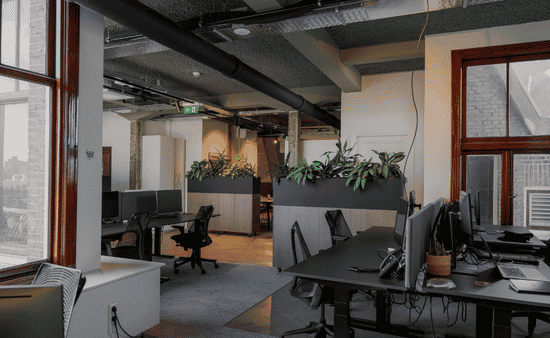
The modern professional spends an overwhelming majority of the workday staring at glowing screens, encased in climate-controlled offices or stark home workspaces. While technology has streamlined efficiency, this complete separation from the natural world introduces an unintended side effect: cognitive fatigue.
The human brain was not designed to maintain hyper-focused attention on digital tasks for hours on end without a sensory reset.
A growing body of environmental psychology indicates that integrating natural elements into the workday is not just an aesthetic luxury; it is a cognitive necessity. By strategically introducing elements of the outdoors into the working environment, professionals can unlock higher levels of concentration, creativity, and mental resilience.
Here is an exploration of how nature actively restores the mind and improves daily productivity.
Attention Restoration Theory and Focus
At the core of nature’s impact on productivity is Attention Restoration Theory (ART). Psychologists suggest that humans utilize two types of attention: directed attention and involuntary attention. Directed attention requires conscious, deliberate effort.
It is the mental muscle used to analyze spreadsheets, write reports, and debug code. Over the course of a workday, this mental muscle inevitably becomes exhausted, leading to errors, irritability, and distraction.
Nature activates involuntary attention, often referred to as “soft fascination.” The gentle movement of leaves in the wind, the shifting patterns of clouds, or the flow of water catches the eye without demanding active cognitive processing.
This shift allows the directed attention mechanism to rest and recover. Taking a short break to look at a natural landscape or even a healthy office plant acts as a mental palate cleanser, returning workers to their tasks with renewed cognitive sharpness.
The Cognitive Impact of Natural Light
Sufficient exposure to natural light is one of the most influential factors in workplace performance. Artificial, harsh fluorescent lighting can disrupt the body’s circadian rhythm—the internal biological clock regulating sleep-wake cycles. When this rhythm is disrupted, employees often experience sluggishness in the afternoon, headaches, and poor sleep quality at night, all of which directly degrade the next day’s output.
Workspaces that prioritize large windows, skylights, or open-air configurations allow natural daylight to regulate cortisol and melatonin production. Studies have consistently shown that employees working near windows report significantly higher energy levels, improved mood, and a sharper ability to process complex information compared to those stationed in windowless environments.
Auditory Restructuring with Natural Soundscapes
The auditory environment of a modern workspace is often highly disruptive. Open-plan offices are filled with the sounds of keyboards clacking, overlapping conversations, and phone notifications, while home offices face the distraction of street traffic or household noise. These unpredictable, sharp sounds trigger low-level stress responses, fracturing concentration.
Conversely, natural soundscapes have the opposite effect on the human nervous system. The steady, predictable sounds of moving water or rustling wind can mask harsh ambient noise while actively lowering heart rates and blood pressure.
To replicate this grounding environment, many professionals install indoor or outdoor ambient features near their workspaces. Utilizing small backyard water fountains near a home office window, for instance, provides a consistent, soothing white noise that drowns out neighborhood distractions and helps maintain a steady state of deep focus throughout the afternoon.
Biophilic Design and Stress Reduction
Biophilic design is the practice of incorporating natural materials, colors, and living plants into architectural spaces. Integrating greenery into a workspace does more than just purify the air; it drastically alters the emotional state of the room. The visual presence of plants has been shown to reduce levels of anxiety, tension, and fatigue among office workers.
When stress levels drop, cognitive function improves. A stressed brain operates in a reactive state, focusing heavily on immediate pressures rather than creative problem-solving or strategic thinking.
By surrounding a desk with potted plants, using raw wood textures, or maintaining a view of a garden, workers can maintain a calm, regulated nervous system. This state of physiological calm makes it easier to approach challenging projects with patience and clarity.
Conclusion
Productivity is often mistakenly measured by how long a person can remain chained to a desk, continuously pushing through fatigue. True sustainable performance, however, relies on regular cognitive replenishment. Nature provides the ultimate framework for this renewal.
By incorporating natural light, cultivating indoor greenery, and introducing restorative elements like natural soundscapes, professionals can mitigate the mental drain of digital work. Ultimately, staying connected to the natural world is a straightforward, highly effective strategy to keep the mind sharp, creative, and energized for the long haul.